


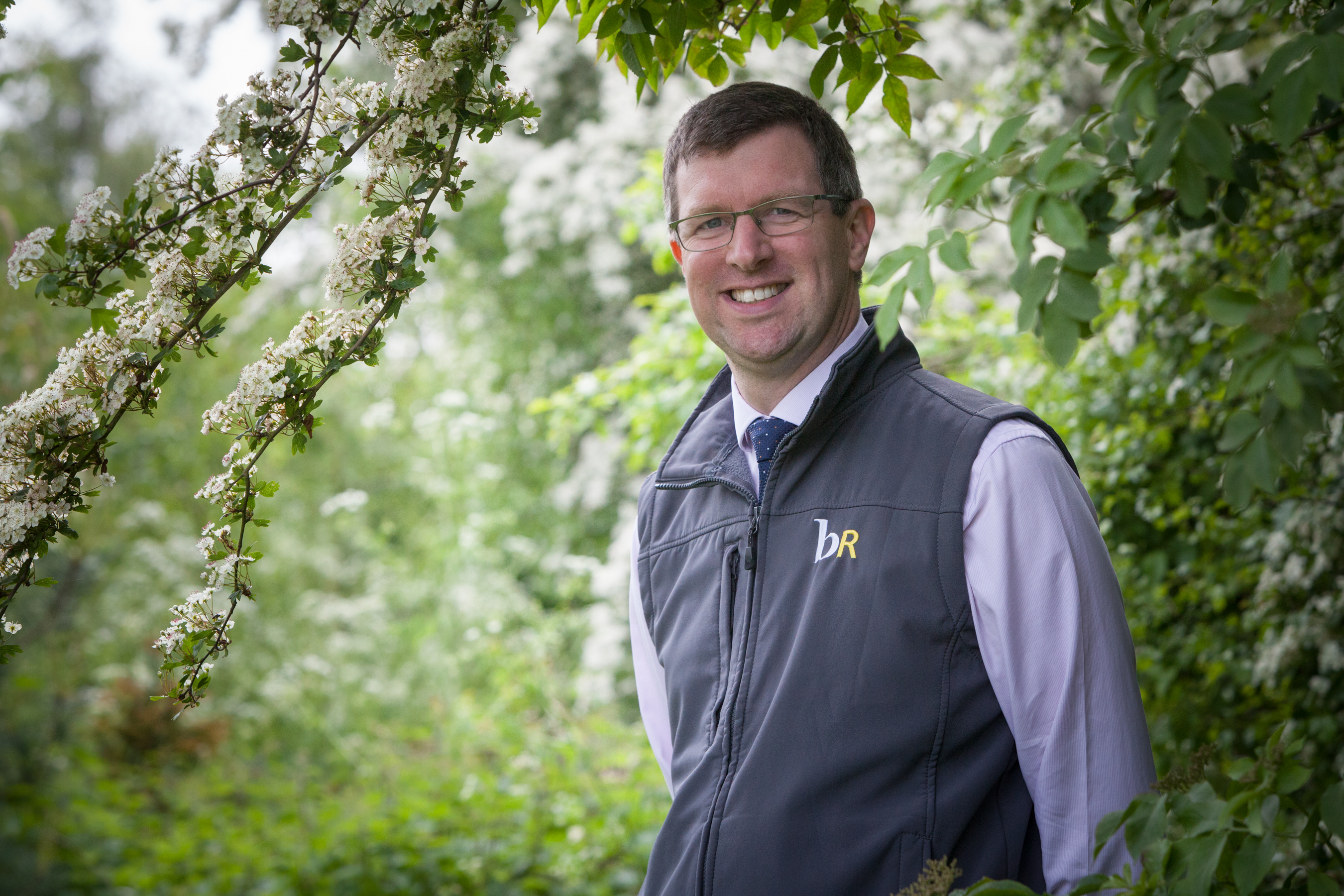
Working as a rural surveyor places you at the crossroads of land, law and livelihoods. My career has exposed me to many situations where differing views on rural property need to be understood and resolved. Becoming an expert witness therefore felt like a natural progression.
At its core, expert witness work is about helping courts and other decision makers understand complex rural issues. Agricultural property rarely fits neatly into standard models. A disagreement over the value of a farm, for example, may involve much more than simply considering comparable sales. Tenancy rights, occupation, development potential or the circumstances of a farming business may all have a bearing on the professional opinion reached.
One aspect of expert witness work that particularly appealed to me was the opportunity to test and develop my professional judgement. An expert must be able to explain how an opinion has been reached and demonstrate that it is supported by appropriate evidence. Preparing an opinion in the knowledge that it may ultimately be tested through cross-examination brings an additional level of discipline and scrutiny to the process.
Ultimately, I became an expert witness because it allows me to apply my technical expertise with a clear sense of purpose. Whether dealing with a valuation disagreement, a landlord and tenant matter or another rural property dispute, the objective remains the same - to provide a clear, independent and well-reasoned professional opinion which assists those responsible for reaching a conclusion.